

Guttering and Downpipe Repairs
The guttering and drainpipes around your home are designed to divert water from walls and foundations to prevent major damage. It is crucial to fix them as soon as is possible if they are damaged.
To begin start, make use of a wire bristle broom to clean any paint that is loose. Then, cut a piece of repair tape that is a few centimetres longer than the length of the downpipe. Remove the backing paper.
Gutters
A guttering system plays a crucial function in any building. It assists in directing water away from foundations, walls and other structural elements and protects against severe damage. If your guttering is leaking or has begun to cause a leak, it's important to fix the issue as quickly as possible to avoid further damage.
It is first necessary to conduct a thorough inspection of your gutters. Once you've completed your inspection, take note of any problems and determine the best method to fix them.
Gutters can become damaged for many reasons, including aging and storm damage, or being hit by fallen debris. If you find holes or cracks in your guttering, you should think about replacing the entire section of guttering. This can be cheaper than repairing smaller areas.
If you've got a minor fissure or tear, you can easily repair it using gutter sealant. Before applying the sealant, you'll need to thoroughly clean the gutters. This will ensure that the area is free of dirt or rust and will assist in making the sealant bond effectively to the guttering.
Another common problem with gutters is that they can get filled with leaves and dirt. A clogged gutter can cause the gutter to sag, which is why it's crucial to clean them regularly. A clogged gutter can also lead to flooding in basements and flooding, so it's essential to look for signs of water and mildew around the foundations of your home.
If your gutters are leaking, it is likely to be due to an overflow, or the downpipes are loose. You can resolve both of these issues by removing your gutters and downpipes. Clean them and spray them with silicone lubricant. After drying it is possible to reinstall the gutters and downpipes, and then use an hose or bucket of water to flush them and test the seals. If the seals fail, you will have to replace your guttering or downpipes. The price of this will depend on the type of material used and the dimensions of the guttering or downpipe. Ask for quotes from multiple gutter contractors prior to making any decision.
Downpipes
Downpipes are an essential component of the roof drainage system that assists in preventing water damage. They are used to divert rainwater from the roof of a building and redirect it to a desired location such as a garden or soak well. Without uPVC Guttering Specialists letchworth , rainwater could cause flooding, pooling or damage the foundation of a home.
Metal downpipes have been utilized for centuries. However, these pipes are not ideal because they are susceptible to rust and corrosion over time. PVC downpipes are used in modern homes due to their durability and longevity. If your downpipes are beginning to rust or breaking, it's crucial to speak with a professional to get them repaired immediately.
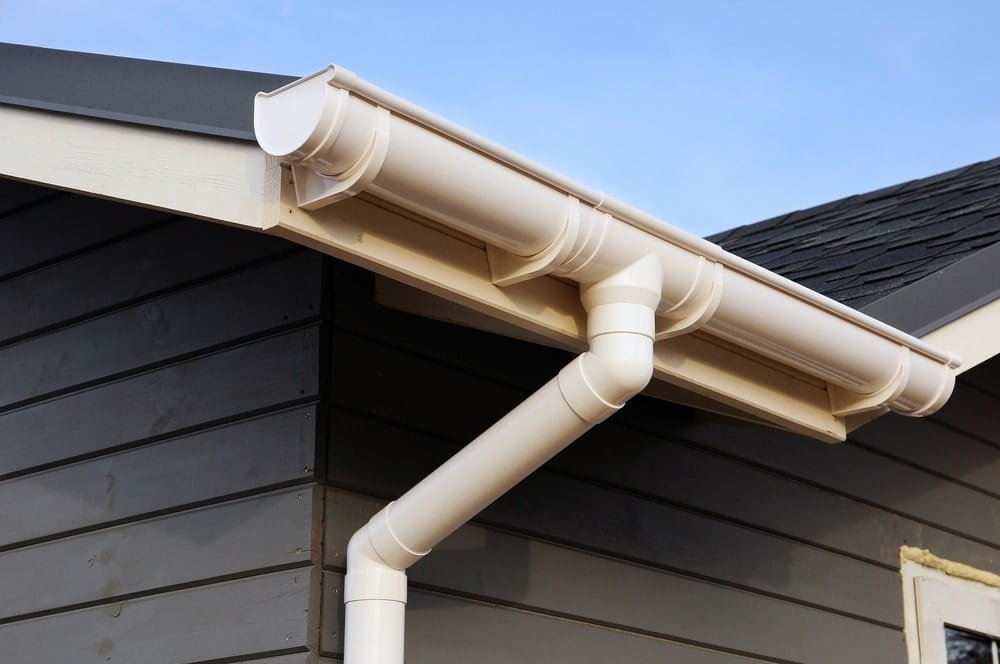
The number of downpipes needed for a property will depend on the size of the roof as well as its pitch. Ideally downpipes should be placed at least 9m (30ft) to 12m (39ft) apart to ensure that stormwater is able to flow properly from one to the other. If downpipes are located too close together, they may cause turbulence which could reduce performance.
If your gutter is pulling away from your wall, it could be an indication of a serious issue with the straps. In the majority of cases, they will require replacement to prevent the downpipe from detaching itself from the gutter. If not properly maintained this could lead to significant structural damage that could be expensive to repair.
Clogs are another common problem with downpipes. These can occur if leaves and other debris get stuck in the pipe. This can cause serious damage to gutters and downpipes if left unattended. The downpipes should be cleaned regularly of any debris to avoid blockages.
For car enthusiasts, a downpipe upgrade is a great way to boost the horsepower of your vehicle and improve the vehicle's overall driving experience. It increases exhaust flow and reduces backpressure, which can help with fuel economy. It is important to conduct your own research prior to making the decision to install a downpipe. It's also a good idea to consult with experts and understand the advantages and disadvantages of this modification. A professional can assist you in choosing the right downpipe for your car.
Clogs
The exterior of your home takes a battering from the elements and it's easy for guttering and downpipes to wear out. The good thing is that it's fairly easy to repair them if you notice damage in the early stages. A good starting point is to check whether your downpipe is blocked.
A clogged drainpipe can cause water to seep into walls and foundations. The main cause is a build-up of leaves and debris, however, a bird's nip, or the branch of a tree that has fallen might be the cause.
Take out any visible debris in order to fix the problem of a blocked drainpipe. It is advisable to gently flow water through the pipe using an hose to clear any blockages. This will clear the blockage and let water flow freely down the gutter.
You can also try tying a rope on one of the gutter hangers, and then run it through the downpipe. This will stop a drop of water from slithering across the downpipe, causing the loud dripping sound. However ropes can impede water flow and may not be the best idea for gutters that are prone to overflowing or clogged by leaves and twigs. If you decide to attempt this method, be sure you make use of a synthetic rope such as nylon, since those made of natural fibres is likely to decay.
Alternately, you can use a gutter repair kit such as Protecto-Tek, to clean and seal the area. It is available in most hardware stores. This kit is an easy and easy method to repair leaks. The kits include an adhesive primer as well as a special gutter tap and an rubber washer. If you're repairing a damaged section of gutter, remember to use extreme caution when working on a ladder, and employ a helper to hold it securely against the house.
A leak in the seals that join guttering to downpipes is usually responsible for leaks in gutter sections. It can be caused by a number of reasons, such as exposure to the elements, heat and cold general wear and tear and ageing, as well as movement in the structure of your home as it expands and expands. To repair a leaky gutter section clean the area and take off any sealant that has been used prior to applying a new layer.
Leaks
A leaky gutter could cause severe damage to your home. It could leak into walls and foundations, causing structural problems. A leaky gutter can attract rats and other pests who are attracted by the moisture.
Generally, leaks from downpipes or gutters are the result of an opening in the seal, or in certain instances, a crack. A cracked gutter or downpipe can be fixed by sealing the damaged area with a weather-proof gutter sealant or tape. A more severe crack or hole in a gutter could require to be replaced.
Leaks from the gutter's end cap are typically the result of a downspout blockage. Any time you see an end cap leak within just a few feet of the downspout it's a sign that there's a blockage in the area. Instead of trying to remove the obstruction which may not be able to solve the issue, you should think about replacing the entire gutter cap.
They are located outside and therefore prone to damage from a variety of sources, including a vehicle hitting them, ladders leaning against them, or ball games played by children. They can also be damaged by ice or sudden temperature fluctuations.
A downpipe is prone to rust and corrosion especially if it's located in the ground or against brickwork. Regularly cleaning your downpipes will reduce the risk of a leak or crack becoming.
Installing guttering systems that have a slight incline encourages the flow of water away from your home towards the downspouts. This protects the walls, roof and foundations of your house from water damage.
Vibrations or general wear can cause your guttering to swell. The loose fasteners may also cause small leaks around joints. These can be repaired by using caulking or gutter sealant. You can use guttering clips as temporary solutions to keep the gutter in place.